
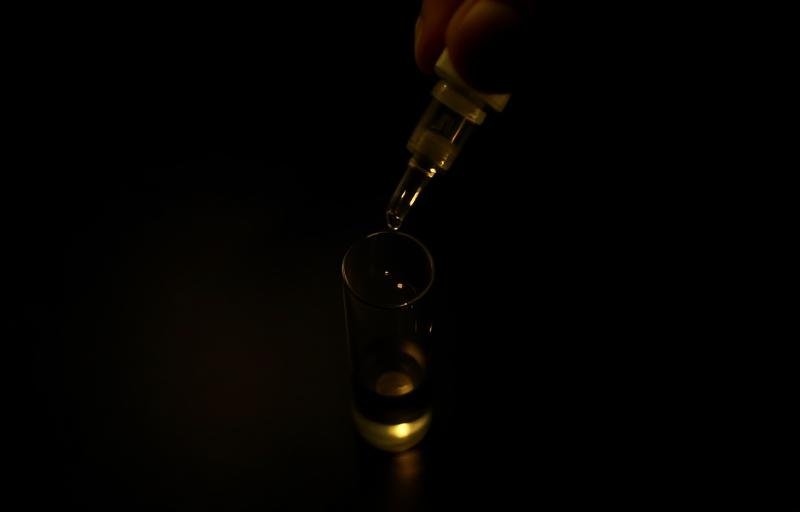
Peptide Storage & Handling: AResearcher’s Reference for Stability
Temperature, light exposure, and reconstitution diluent
all affect peptide stability. Here is a practical reference
for the laboratory.

Temperature, light exposure, and reconstitution diluent
all affect peptide stability. Here is a practical reference
for the laboratory.
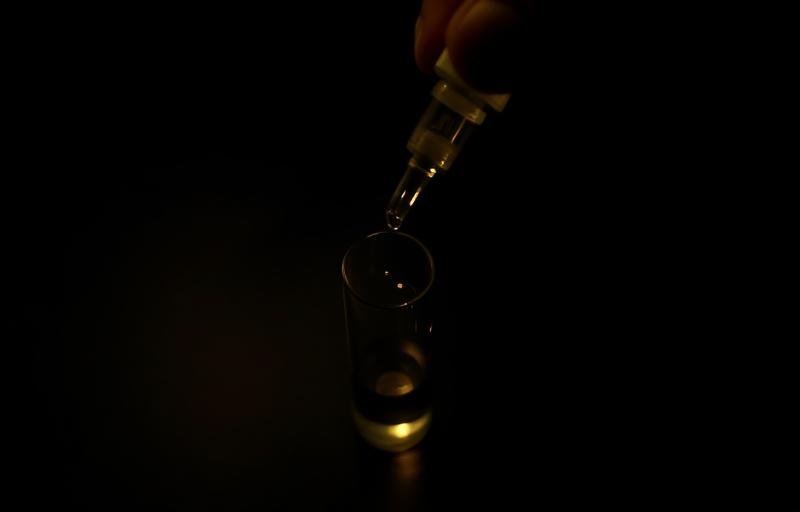
Choosing the right diluent matters for compound
stability. We outline the differences, shelf-life
considerations, and standard laboratory protocols.

MOTS-c is encoded by mitochondrial DNA and acts
through AMPK signaling. The research is young but
rapidly expanding.

GHK-Cu is one of the most-published peptides in dermal
regeneration literature. We unpack what the research
says about collagen synthesis, fibroblast activity, and…

From BPC-157 to TB-500, multiple peptides have shown
promise in tendon repair models. We summarize the
published landscape.
Stack protocols pair regenerative peptides to study
synergistic effects. We summarize the published
research on this widely-studied combination.

GLP-1 receptor agonists have transformed metabolic
research. We compare the mechanisms,
pharmacokinetics, and study-design considerations for….

Understanding hypothalamic-pituitary signaling is
essential for designing GH-pathway studies. We cover
the fundamentals.

Combining a selective GHRP with an extended-half-life
GHRH analog has become a standard research model.
We explain the rationale and the pharmacology.

Long r3 igf-1 is a modified form of insulin-like growth factor with extended half-life. We examine the research BASE and study protocols.